We build the compression layer that surveillance networks run on. Compress H.264 and H.265 streams up to 10:1, extend retention from 30 days to 180 and beyond, and keep every frame intact for downstream AI and legal review.
Higher resolutions, longer statutory retention periods and AI workloads push the same physical infrastructure far past what it was designed to carry. Adding capacity is the obvious answer — and the most expensive one.
4K cameras, higher frame rates and multi-year retention compound every year. Rack space, power and cooling scale with the footage.
Dedicated-line expansion is slow and expensive, and remote or mobile sites often have no viable wired path at all.
Analytics depend on person, vehicle and plate detail. Conventional over-compression destroys exactly the pixels that matter.
New deployments and legacy systems coexist, and there is rarely a single layer that can govern both.
Public safety, transport, healthcare and finance face statutory retention periods that storage planning never anticipated.
Purpose-built accelerator cards constrain expansion, inflate unit cost and cannot be pooled across sites.
Rather than a single point tool, we deliver an end-to-end stack: compress at the edge, aggregate at the node, converge at the centre, and govern the archive — all with one operations plane.
Govern footage that has already landed on open storage — compressed in place, with the original system untouched.
Palm-sized gateways and compression-native cameras that shrink the stream before it ever reaches the network.
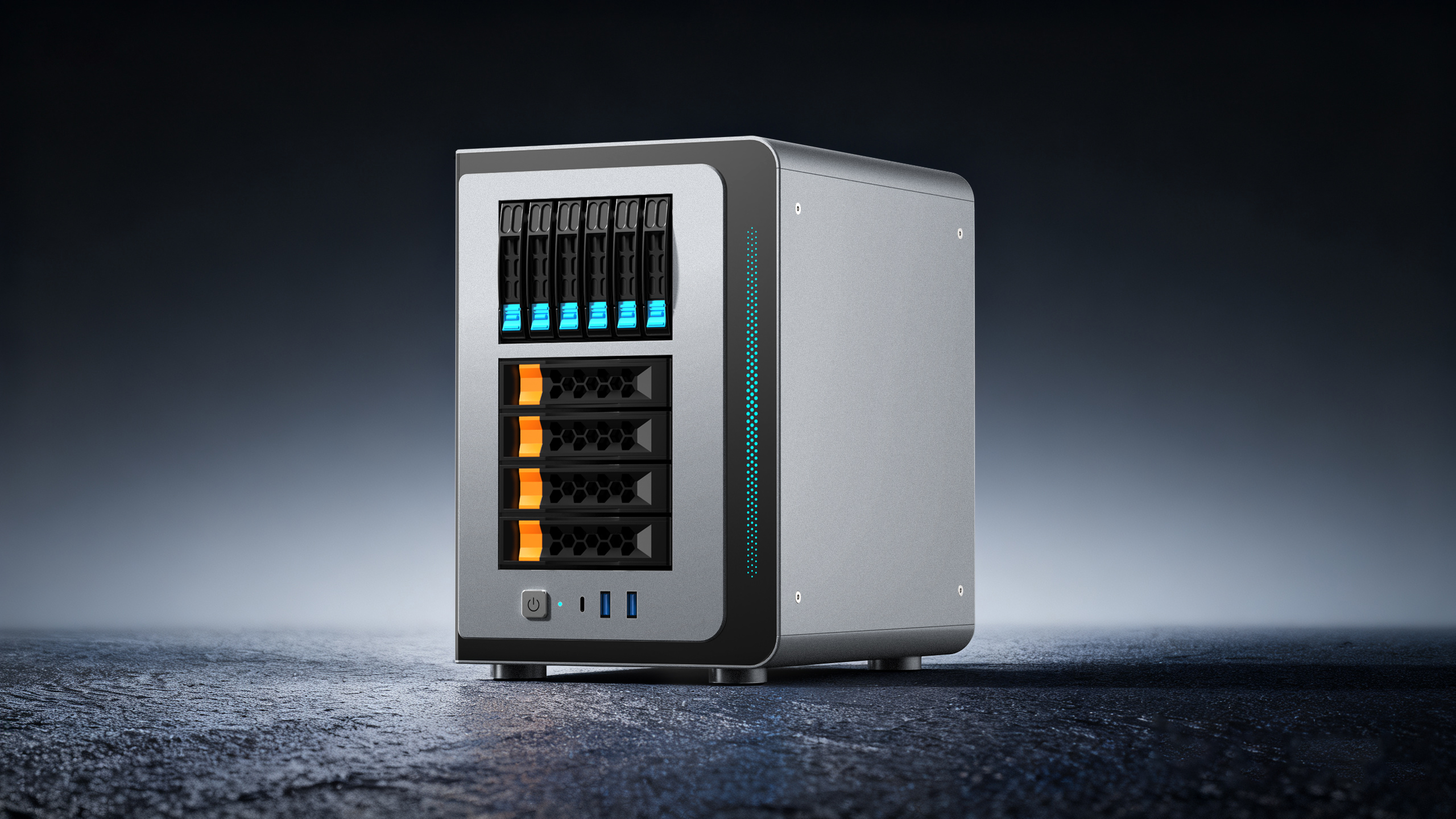
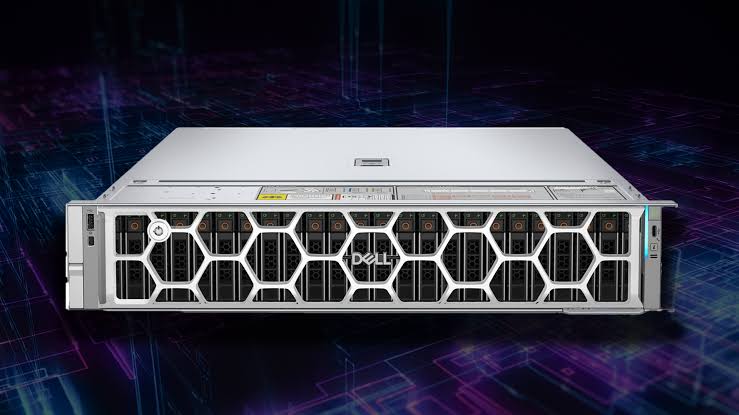
Appliances and 2U cluster nodes that converge hundreds of streams per unit at city scale.
Unified device management, asset control, distributed storage and no-reference quality scoring across the estate.
Compression is only useful if nothing downstream notices. Every stream we process keeps its resolution, frame rate, codec format and duration exactly as recorded, and stays effectively indistinguishable — to the human eye and to machine vision.
Match the form factor to the site: a palm-sized gateway for a single remote pole, a rack cluster for a city-wide aggregation point.
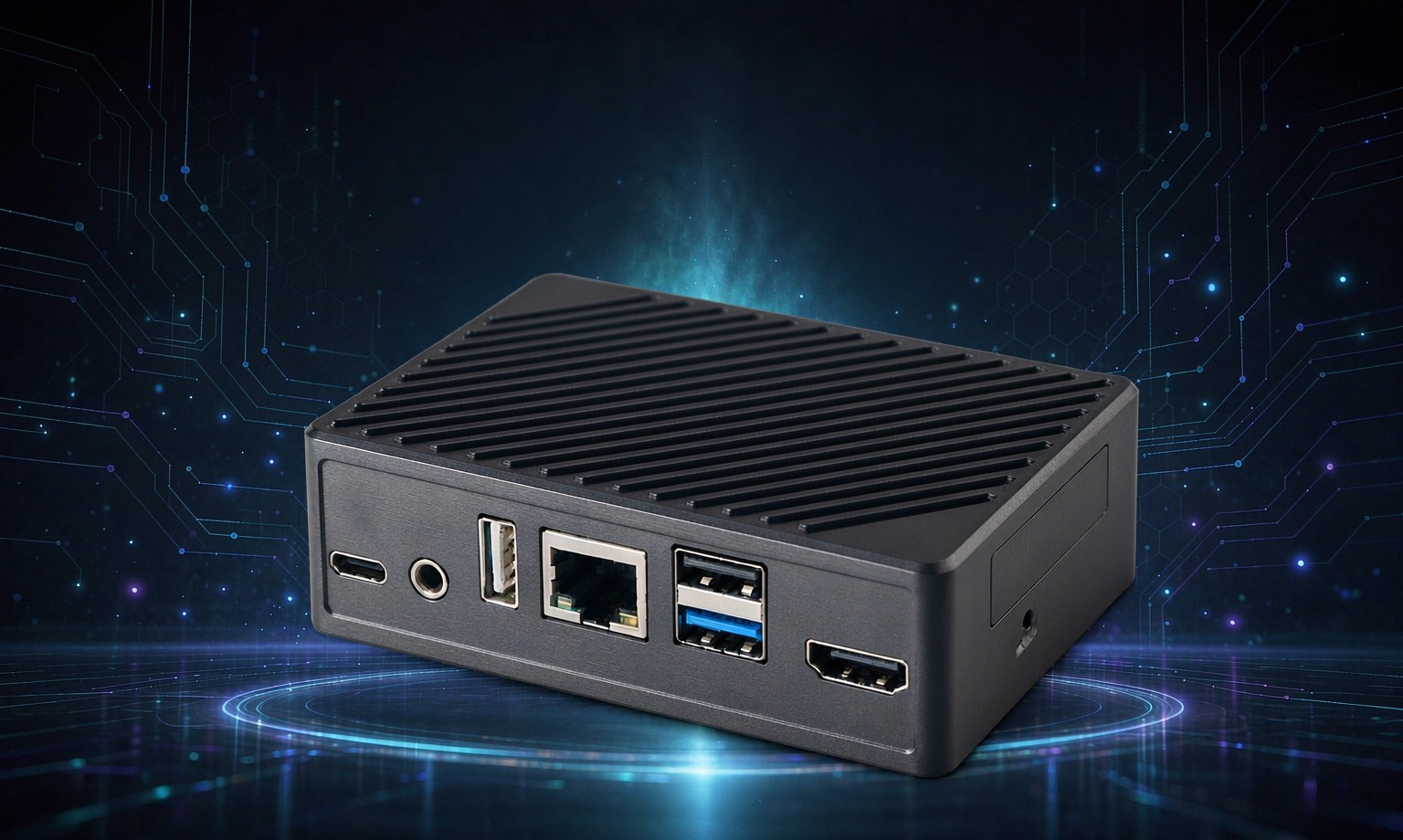
1 to 16 concurrent streams in an industrial enclosure. Wired, 4G/5G and solar-friendly variants for distributed sites.
96 streams of 1080P compression plus 12+ on-board AI models and a built-in VMS, in a single small appliance.
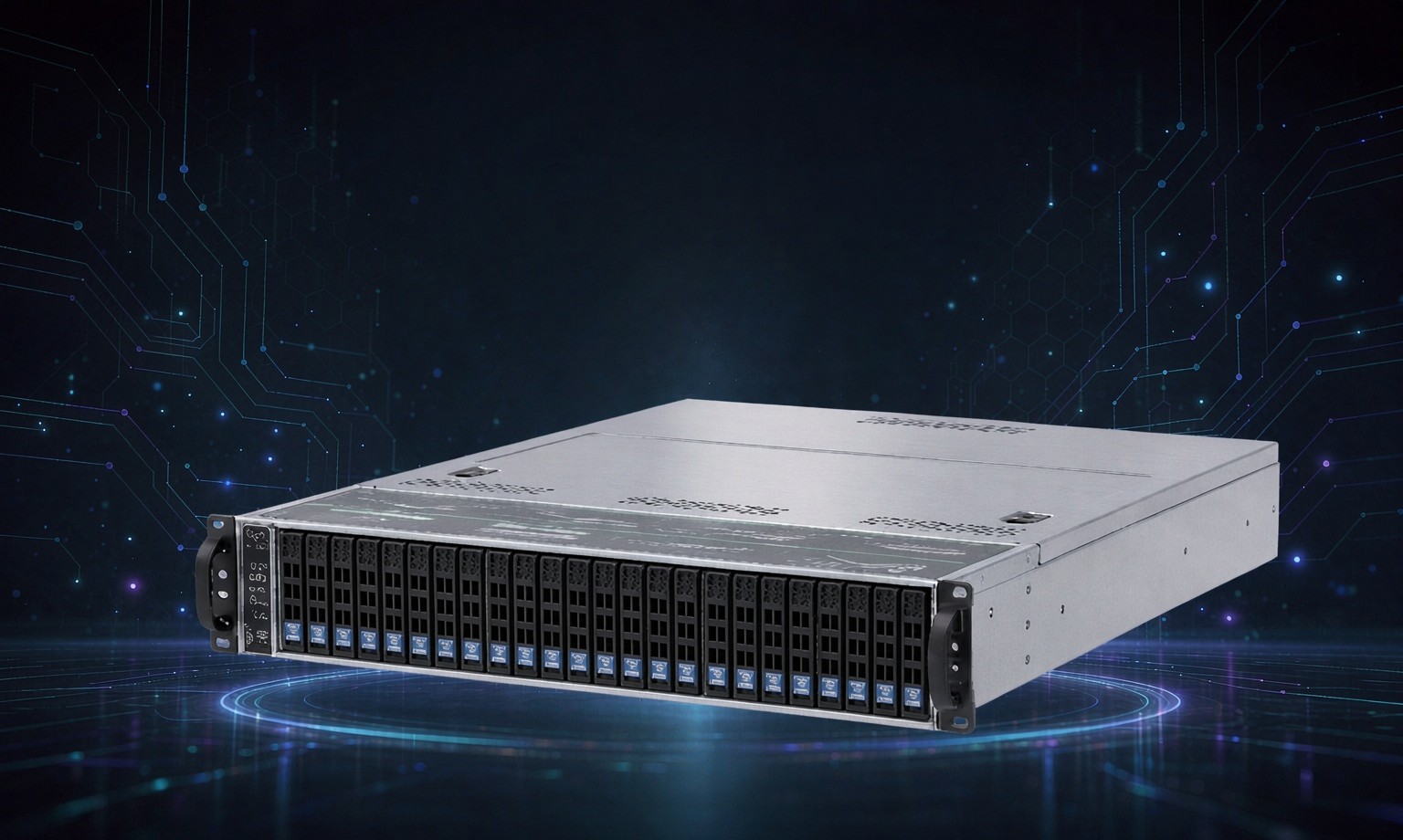
2U cluster nodes aggregating 192 or 384 streams with multi-node hot standby and carrier-grade reliability.
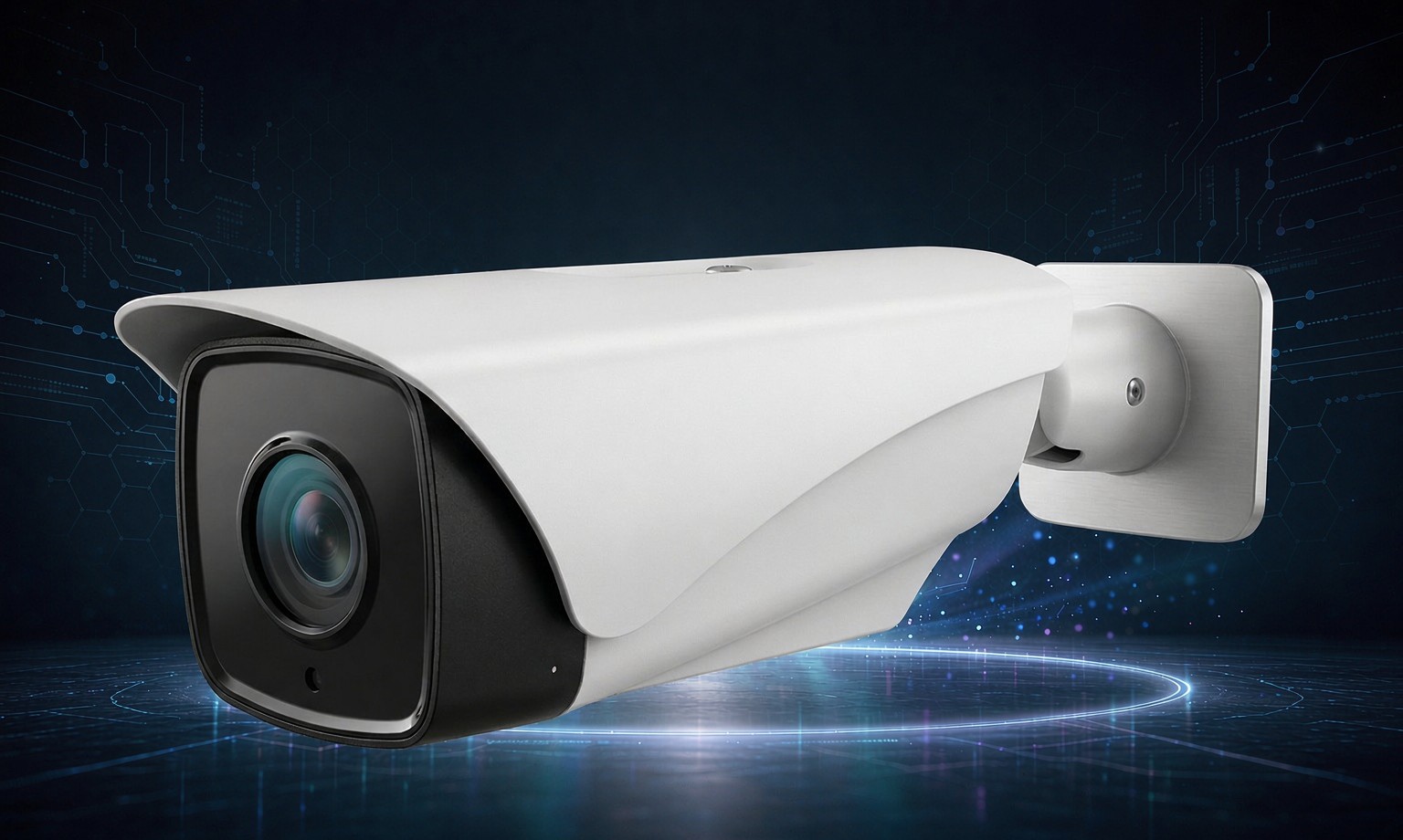
A surveillance camera with the compression engine built in — 0.5 Mbps at 1080P, straight out of the lens.
CPU-only, fully in-place archive compression with four-invariant verification and three safety gates per file.
The operations plane: unified national device onboarding, sub-second dispatching, and heterogeneous data federation.
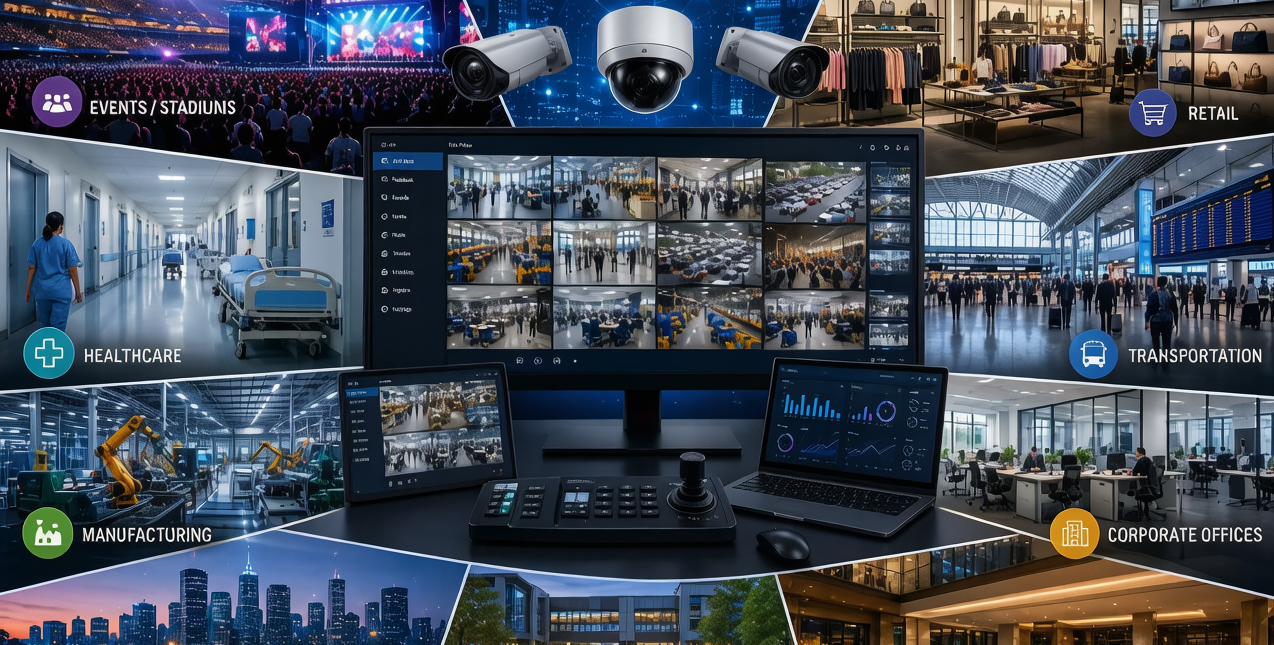
We are deployed in the environments with the strictest retention rules and the tightest physical constraints.
City-scale aggregation with legally admissible retention.
Carrier video archiving at national scale.
Round-the-clock hubs where downtime is not an option.
Distributed sites under one operating picture.
Branch and ATM networks with long audit trails.
Compliant retention and rapid dispute retrieval.
Safety compliance and anomaly detection on the line.
Unmanned and off-grid sites on constrained power.
Start with the architecture that matches your estate today — and scale into the others without replacing what you already own.
Compress at each distributed site before the stream leaves the premises.
A mid-size campus served by one appliance with AI and VMS on board.
City and province scale, converging hundreds of streams per node.
Zero new hardware: compress in the platform on general-purpose CPU.
Independently tested, nationally certified, and auditable. Compression results are not a marketing number — they are a documented inspection finding.
Send us your camera count, resolution mix and retention requirement. We will come back with a capacity and cost comparison against your current architecture.